Multilingual AI Chatbot
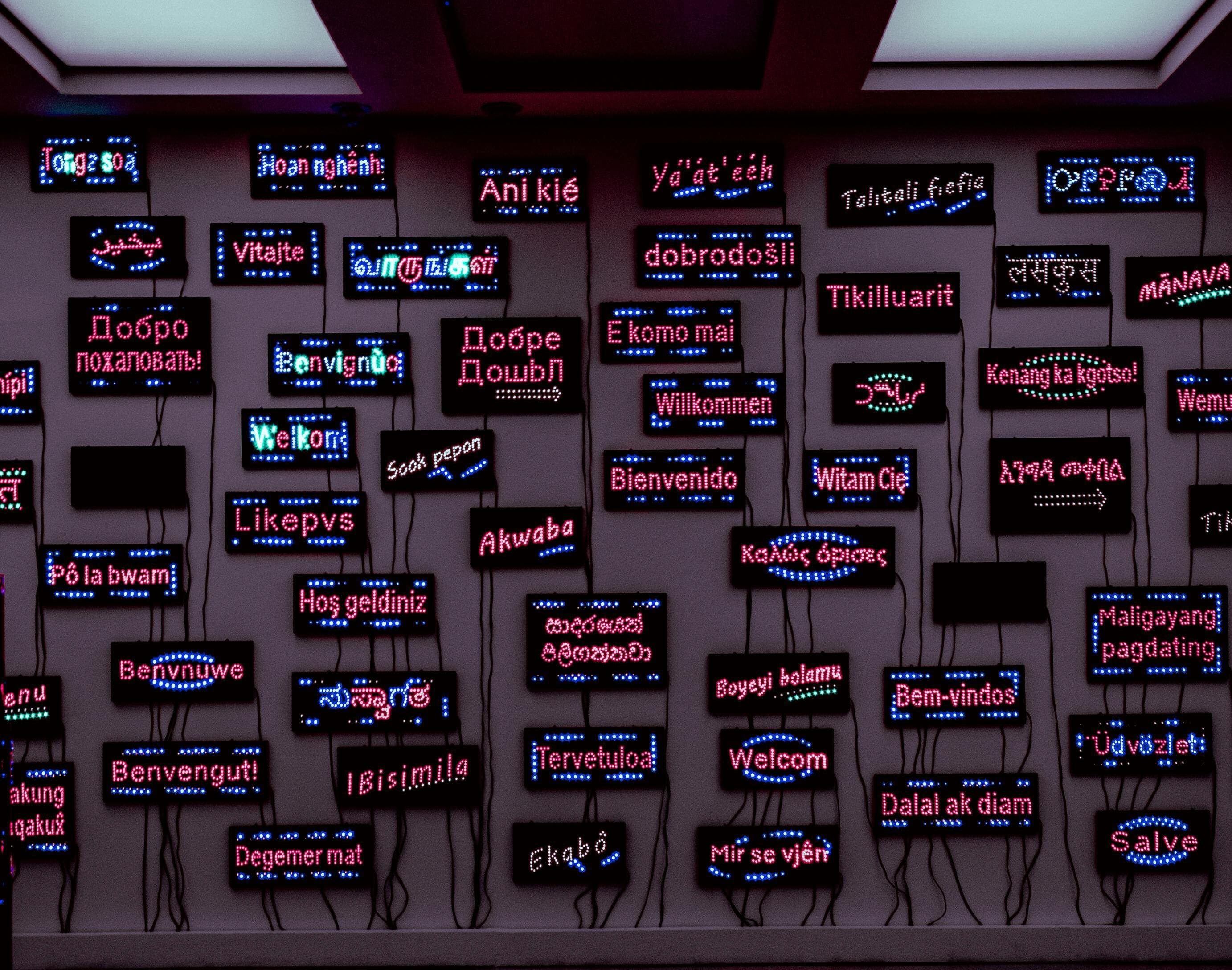
In a global marketplace, language barriers cost businesses real money. Lost sales, frustrated customers, and missed opportunities — all because you can't communicate in your customer's preferred language.
Meet Convira: Your Multilingual AI Chatbot
Convira is an AI-powered chatbot that works out of the box in 95+ languages. Just point it at your website, docs, or knowledge base, and it starts answering customer questions instantly — in whatever language your visitors speak.
No multilingual staff needed. No manual translation. Just set it up once in English, and it handles Spanish, French, German, Hindi, Arabic, Chinese, and 90+ more languages automatically.
Key features include training on your content (website, PDFs, YouTube, help centers), 95+ languages supported, auto-sync to keep answers up to date, built-in lead capture, human escalation when needed, and white-label for agencies.
Sign up at convira.chat and try it free.
Why Multilingual Chatbots Are the Key to Going Global
The internet doesn't have borders. A customer in Jakarta, Berlin, São Paulo, or Cairo can all visit your website at any time. But here's the problem: most websites are built in one language, usually English.
When a non-English speaker lands on your site, they hit a wall. They can't understand your content. They can't get their questions answered. They leave.
That's money walking out the door.
A multilingual chatbot removes that wall. It greets visitors in their language, answers their questions, and guides them to what they need — without you needing to hire a multilingual support team.
The Business Case
Studies show 72% of consumers are more likely to buy from a website in their language. Another 56% say language matters more than price. Companies with multilingual support see 1.5x higher customer retention. Yet international traffic is often underutilized because of language barriers.
If your site is only in English, you're only capturing a fraction of global demand. A multilingual chatbot changes that overnight.
How an Arabic Website Can Cater to Global Audiences
Let's look at a specific example: an Arabic-language website.
Arabic is spoken by over 400 million people across the Middle East and North Africa. But here's the catch: Arabic has many dialects. Egyptian Arabic, Gulf Arabic, Levantine, Iraqi, and Modern Standard Arabic all differ in vocabulary, grammar, and even script direction.
So how do you serve an Arabic-speaking visitor from, say, Morocco, if your content is in Modern Standard Arabic?
The Challenge
First, there's the dialect gap. A Moroccan visitor might not understand Egyptian or Gulf dialect content. Then there's script direction — Arabic reads right-to-left, but numbers often read left-to-right, which can cause UI headaches. Plus, formality levels and greetings vary by country, so a chatbot needs to know when to be formal and when to be casual.
The Solution
A smart multilingual chatbot handles this by:
-
Detecting the dialect. When a user types in, the chatbot detects whether they're writing in Egyptian, Gulf, Moroccan, or another dialect.
-
Routing to the right response. The chatbot understands the dialect the user is writing in, then pulls the right answer from your content and responds naturally. It doesn't translate. It knows that a Gulf Arabic speaker and an Egyptian speaker might need different responses or different phrasings, even if the underlying answer is the same.
-
Adapting the UI. The chat widget displays RTL text correctly, formats dates and numbers according to regional preference, and uses appropriate greetings.
-
Capturing leads in the user's language. Whether someone writes in Arabic, English, or a mix of both, the chatbot collects their info and routes it to your team.
For an Arabic website looking to go global, this means a visitor from Saudi Arabia gets answers in Gulf Arabic, a visitor from France gets responses they can understand, and a bilingual user can switch between Arabic and English mid-conversation without missing a beat.
No additional staff. No manual translation. Just one chatbot that speaks Arabic the way your visitors do.
How We Built a Dialect-Aware Multilingual Chatbot
Now, let's get into the technical stuff. If you're curious how we built a chatbot that actually understands dialects and not just languages, keep reading.
Why Dialects Matter
Here's the thing: language is only half the battle.
Take Spanish. A user from Mexico City talks differently than someone from Buenos Aires. Different words, different formality, sometimes different grammar. The same goes for English (UK vs US vs India), French (France vs Canada vs Africa), Arabic (dialects vary wildly), and dozens of other languages.
When a chatbot ignores dialects, it feels robotic. Users notice. They get frustrated. They leave.
That's why building a truly multilingual chatbot means going deeper than translation.
The Problem Space
Here's what makes this hard. Language and dialect aren't the same thing. Take Spanish — someone in Mexico uses "vosotros" and regional slang that someone in Argentina wouldn't recognize. Then there's code-switching, where users mix languages mid-sentence like "Hola, I want to know about your pricing" — common in bilingual markets. Most dialects have way less training data than major languages, so you can't just pull from existing datasets. And cultural nuance matters: formality, tone, and etiquette all vary by region.
How It Works: Our Approach
Language detection first. We detect the language and dialect early, so the rest of the pipeline knows how to handle the query.
Dialect-specific routing. Once we know the dialect, we route to the right data sources and prompts tuned for that variant.
Shared knowledge base with dialect indexes. We maintain one knowledge base but with dialect-specific search indexes so relevant content surfaces even when users use local terminology.
Prompt tuning per dialect. We adjust system prompts to match regional tone and formality.
Fallback handling. If we're not confident about a dialect, we fall back gracefully or escalate with full context to a human.
UI adaptation. Date formats, number formats, and RTL support where needed.
Data Strategy
To build this, we pull from public datasets and licensed dialect data, then supplement with synthetic data to boost coverage where it's thin. We start with the dialects that matter most based on who actually uses the chatbot, then build evaluation sets with realistic intents to test performance. Continuous improvement comes from RLHF and human-in-the-loop feedback when the model gets something wrong.
What This Means for Your Business
When your chatbot understands dialects, users feel heard. They stay longer, ask more questions, and convert more. It's the difference between a chatbot that feels like a translation machine and one that feels like a local.
With Convira, you get this out of the box. No engineering required.
Try Convira free at convira.chat.
Ready to get started?
Deploy your AI chatbot in under 5 minutes — no coding required.